
How Fence Builders Can Help Maximize Usable Yard Space
A spacious yard isn't always a functional yard. Poorly defined boundaries, exposed gathering areas, awkward corners, and inconvenient access points can make even a generous property feel difficult to use. A carefully planned fence can help homeowners organize outdoor areas, establish privacy, and make existing square footage more practical without changing the property's dimensions.
Professional fence builders consider more than where to place posts. They evaluate how people move through a yard, where outdoor activities happen, and which features could benefit from separation. With thoughtful placement, appropriate materials, and convenient gates, fencing can turn underused areas into spaces for relaxation, gardening, entertaining, and everyday activities. Understanding the decisions involved helps homeowners approach a project with a clear plan for making the most of their outdoor space. On smaller lots, the difference between a useful walkway and a neglected corner may come down to a few carefully measured feet.
Evaluating Property Boundaries and Yard Conditions
Before designing a fence, homeowners need an accurate picture of their property's limits. Existing landscaping, old fencing, and informal pathways don't necessarily identify legal boundary lines. A property survey can clarify where construction may occur and help prevent disputes over placement. Local zoning rules, easements, and homeowner association requirements may also affect the design.
Experienced fence builders can use this information to recommend a layout that works with the lot rather than against it. For example, positioning a fence unnecessarily far inside the boundary could leave a strip of land difficult to maintain or use. However, building directly on a boundary may not be permitted or appropriate, depending on local requirements.
The condition of the ground matters as well. Slopes, uneven grading, drainage patterns, and mature tree roots can influence post placement and panel design. Contractors may also need to locate underground utilities before digging, since identifying buried lines is an important safety step before setting posts. Assessing these conditions early helps prevent a layout that obstructs water flow, damages important landscaping, or creates inaccessible pockets. Careful preparation gives the remaining design decisions a practical foundation.
Organizing Outdoor Areas for Different Activities
A single open yard may need to serve several purposes. Children might need room to play, adults may want a quiet seating area, and pets may require a secure place to exercise. Without clear boundaries, these activities can interfere with one another or leave certain parts of the property unused.
Fence builders can help homeowners establish distinct areas while maintaining convenient movement between them. A fence around a play space, for example, can create separation from a garden or driveway. A smaller enclosure for pets may protect flowerbeds and keep the main lawn available for entertaining. These divisions should reflect how the household actually uses the property rather than follow arbitrary shapes. Maintaining clear sightlines between the house and a play area may also be important for families supervising children outside.
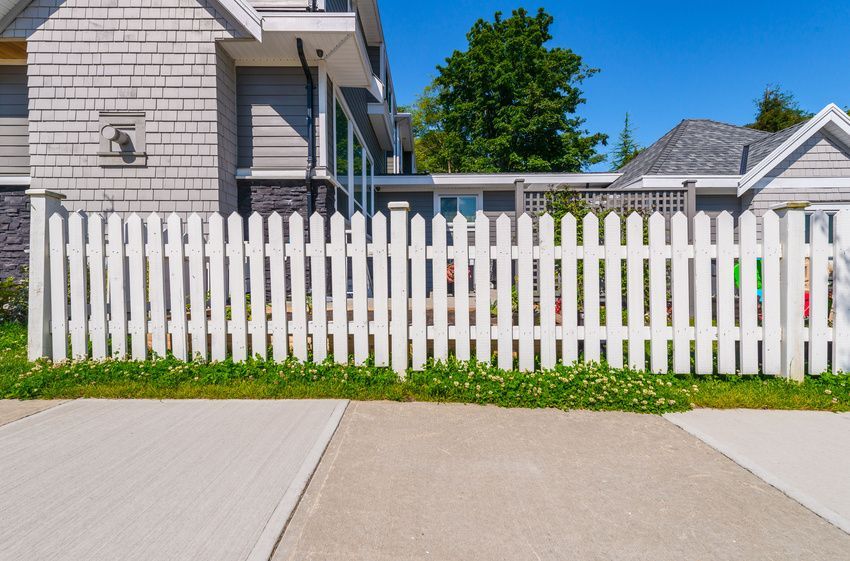
Not every activity needs a full-height barrier. Short decorative fencing, open pickets, or a strategically located gate can define zones without making a modest yard feel crowded. The goal is to create functional destinations while preserving enough open space for flexible activities, seasonal changes, and future improvements.
Improving Privacy Around Functional Spaces
Outdoor areas often go unused because they feel too exposed. A patio facing neighboring windows or a backyard beside a busy sidewalk may offer little comfort, even when the space itself is large enough for furniture and gatherings. Privacy fencing can make these spots more inviting.
Instead of surrounding every side of a property with tall panels, fence builders may recommend screening the locations where privacy matters most. A targeted fence beside a seating area can block unwanted views while preserving sunlight and openness elsewhere. Height, spacing, and orientation all affect the result, so homeowners should consider sightlines from both ground level and nearby elevated windows.
Privacy also involves sound and airflow, although fencing alone cannot eliminate neighborhood noise. Solid panels may offer some screening while changing how wind moves through an outdoor area. By balancing enclosure with comfort, homeowners can use patios, decks, and garden corners more regularly. A design that addresses the specific source of exposure can be more effective than simply choosing the tallest available fence.
Selecting Materials That Support Everyday Use
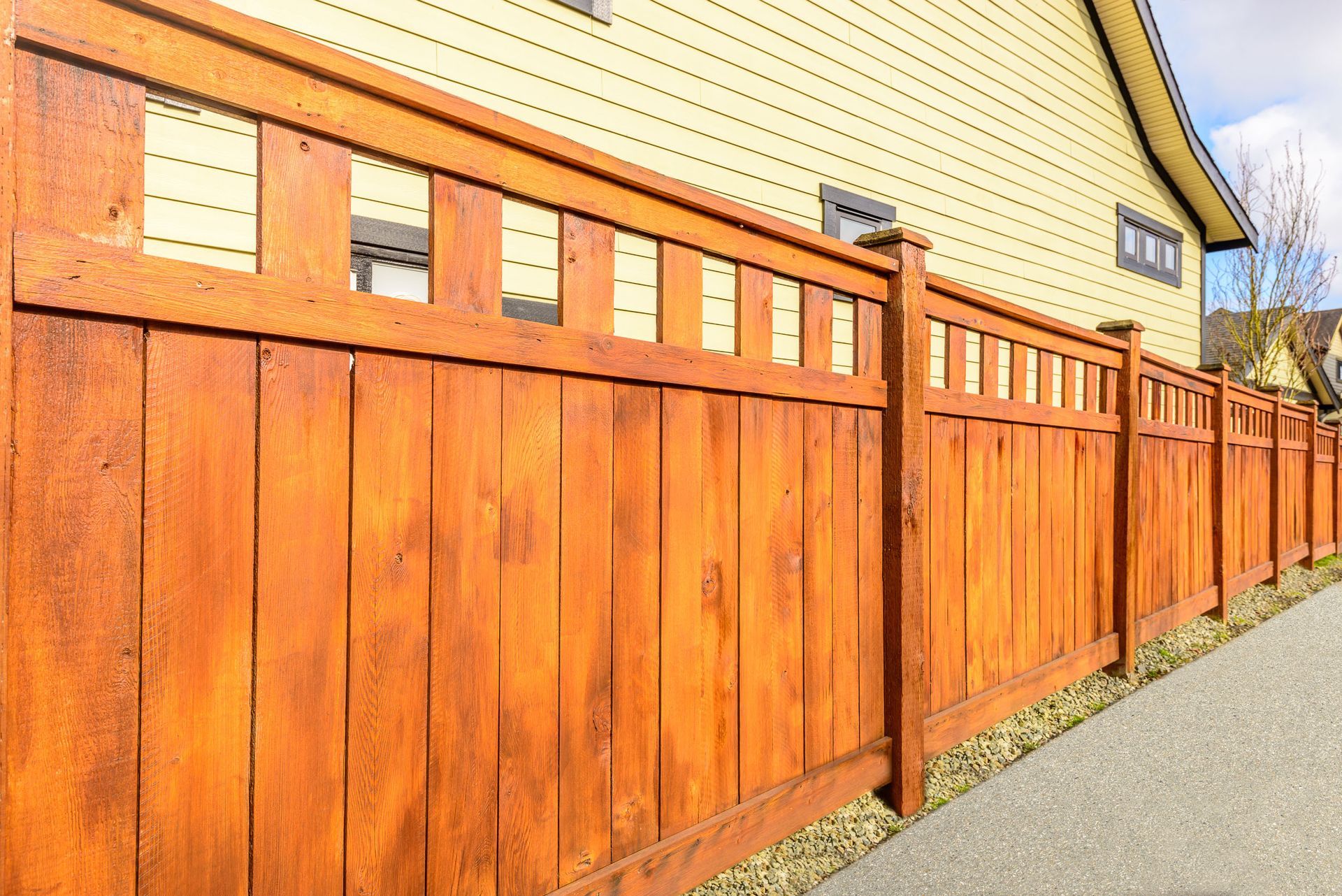
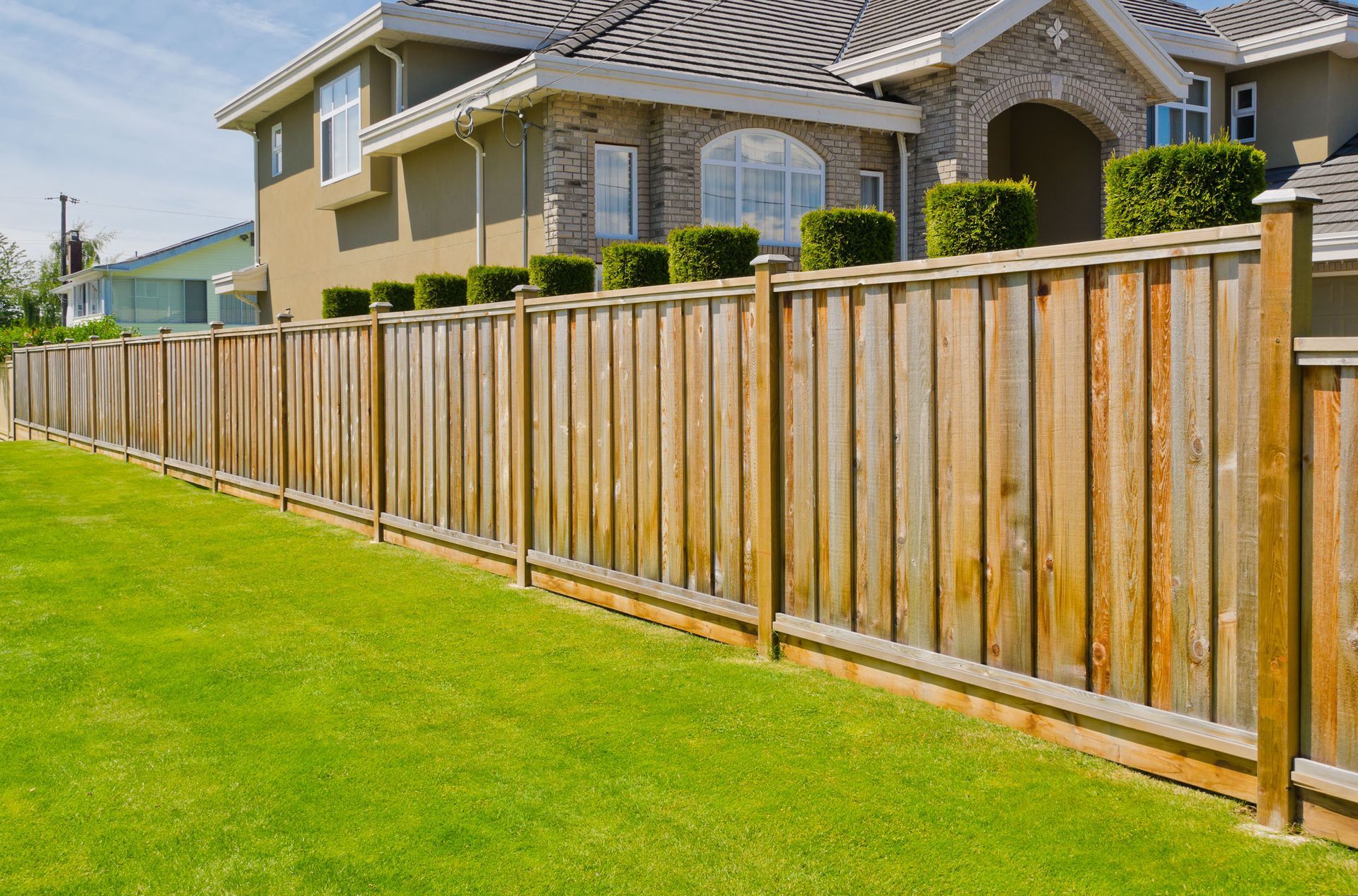
Material choice affects how a fenced yard looks, functions, and requires maintenance. Wood offers design flexibility and can complement natural landscaping, but it generally needs periodic staining, sealing, or other upkeep. Metal fencing can provide visibility and a defined perimeter, although the amount of privacy depends on its configuration.
Vinyl is another option for homeowners who want a consistent appearance with relatively limited routine maintenance. Fence builders can explain how styles, colors, panel spacing, and material thickness influence both appearance and durability. They can also discuss local weather conditions, installation practices, and the space required for different gate and post configurations.
A material should suit the planned activity rather than simply match a photograph. Open fencing may work well around a front garden, while solid panels may be more useful beside a backyard dining area. For narrow spaces, bulky ornamental features or unnecessary partitions can reduce maneuvering room. Choosing a practical style helps preserve walking space and makes mowing, cleaning, and outdoor storage easier over time.
Planning Gates and Access Routes Strategically
Even a well-placed fence can make a yard less useful when its gates are inconvenient. Homeowners should think about how they carry supplies, move equipment, and travel between the house, garage, garden, and street. A gate positioned only for appearance may force long detours or create bottlenecks.
Fence builders can identify sensible entry points and recommend openings wide enough for the equipment homeowners actually use. A garden gate may need to accommodate a wheelbarrow, while an access point near a driveway may need room for a riding mower or larger deliveries. Swing direction also matters because a gate needs clearance to open without striking landscaping, steps, or parked vehicles.
Accessibility deserves consideration during planning. Routes should remain reasonably direct, with stable surfaces and manageable transitions where possible. In some yards, double gates or a second entrance can make maintenance significantly easier. These choices don't add physical square footage, but they can make previously inconvenient sections of the property much more usable.
Preserving Flexibility and Long-Term Value
A fence should support current routines without limiting what homeowners might want to do later. Before installation, it helps to consider plans for a vegetable garden, storage shed, larger patio, or additional landscaping. Leaving appropriate access and avoiding unnecessary internal barriers can prevent expensive changes when those plans become reality.
Fence builders can also help owners understand ongoing maintenance needs and how different designs affect the yard's appearance. Posts, hinges, and latches should remain accessible for inspection and repairs. Vegetation needs enough clearance to grow without damaging panels or making maintenance difficult. Planning these details can protect both the installation and the usable area around it.
Thoughtful fencing makes outdoor space more manageable by improving privacy, organizing activities, and supporting everyday access. The best layout responds to the property itself, not just the goal of enclosing as much land as possible. Homeowners considering a low-maintenance option may find vinyl especially relevant. According to Grand View Research, vinyl fencing is commonly preferred in residential settings because of its low maintenance requirements, durability, and eco-friendly qualities.

Share On: